Hopes for renewed U.S.-Iran diplomatic talks have eased fears of oil supply disruptions through the Strait of Hormuz.
By Sarah Okafor | The Commonwealth Wire
Oil prices fell Tuesday as hopes for resumed diplomatic talks between the United States and Iran helped calm market concerns about potential supply disruptions, a development that could provide relief to Virginia drivers facing elevated fuel costs.
Crude oil futures dropped 2.3% in morning trading as diplomatic sources suggested renewed negotiations between Washington and Tehran could be possible, easing fears of a blockade of the Strait of Hormuz, a critical shipping lane for global oil supplies.
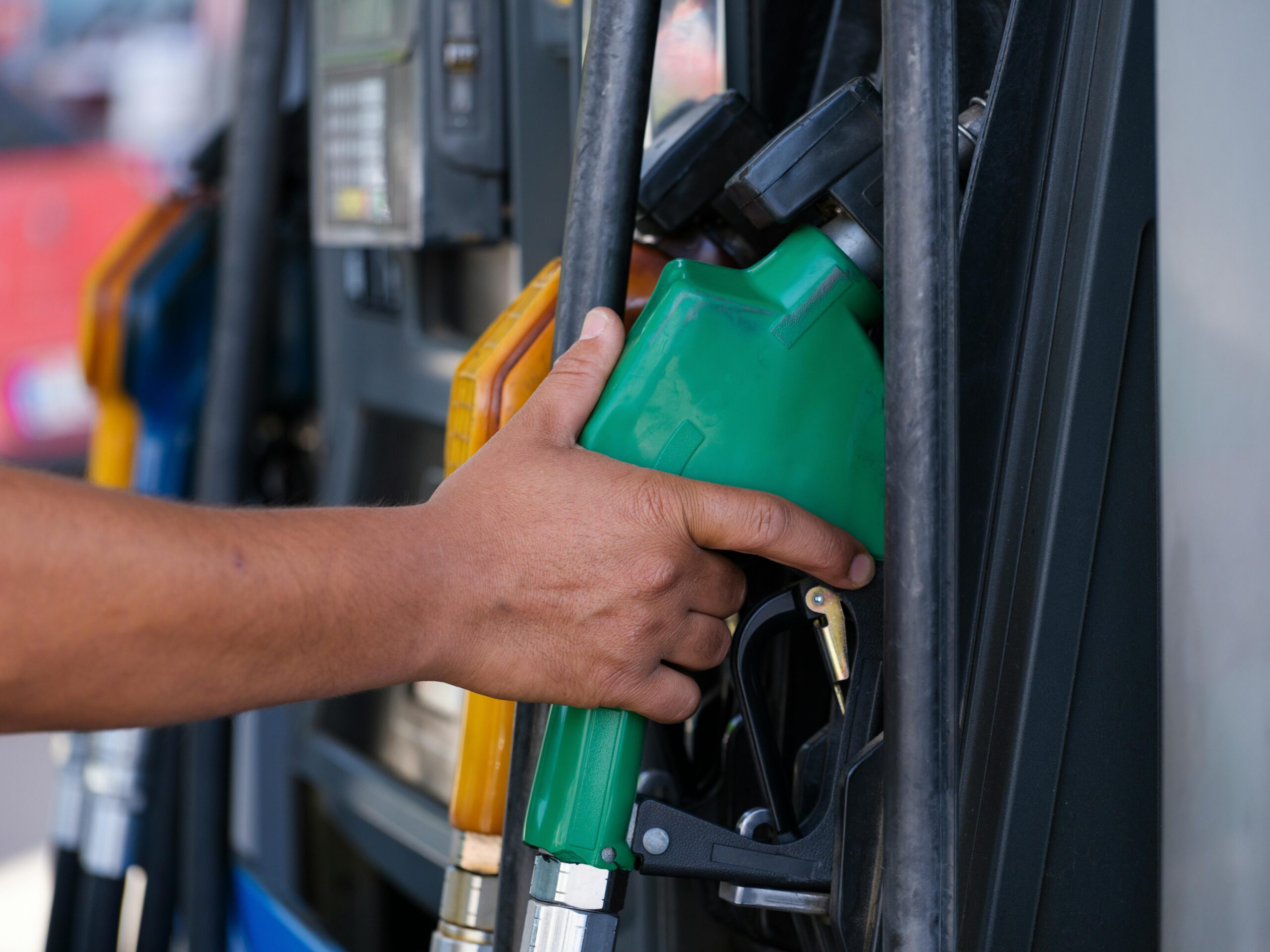
The price decline comes as Virginia motorists have been grappling with higher fuel costs across the Commonwealth. AAA reports the average gas price in Virginia currently stands at $3.42 per gallon, compared to the national average of $3.38.
“Any reduction in crude oil prices typically translates to lower gas prices for consumers within two to three weeks,” said Dr. James Patterson, an energy economist at Virginia Commonwealth University in Richmond. “Virginia drivers could see some relief at the pump if this trend continues.”
The Hampton Roads region, which includes major shipping facilities at the Port of Virginia in Norfolk, could particularly benefit from stable oil markets. The port handles significant petroleum product imports that serve Virginia and surrounding Mid-Atlantic states.
Tensions between the U.S. and Iran had escalated concerns about potential disruptions to oil tanker traffic through the Strait of Hormuz, which carries approximately 20% of global oil supplies. Iran has previously threatened to block the waterway during periods of heightened diplomatic tensions.
“The market is responding positively to any signs that diplomatic channels might reopen,” said Maria Rodriguez, a commodities analyst with Richmond-based investment firm Capital Markets Virginia. “However, the situation remains volatile.”
The oil price movement affects various sectors across Virginia’s economy. The state’s transportation industry, including trucking companies based in Roanoke and Virginia Beach, faces significant fuel cost pressures that impact shipping rates throughout the region.
Virginia’s tourism industry, from the Blue Ridge Mountains to Virginia Beach, also benefits from lower gas prices as they encourage more regional travel during peak vacation seasons.
State officials have been monitoring fuel price trends closely. The Virginia Department of Transportation has factored higher fuel costs into its budget planning for highway maintenance operations across the Commonwealth’s 95 counties and 38 independent cities.
Despite Tuesday’s decline, oil prices remain elevated compared to historical averages, reflecting ongoing geopolitical uncertainties in the Middle East and global supply chain challenges. Energy analysts caution that the situation could change rapidly if diplomatic efforts stall or if new tensions emerge.
The Virginia Petroleum Council, representing fuel retailers across the state, noted that price changes typically take time to reach consumers but expressed cautious optimism about the trend.
Market observers will be watching for concrete developments in U.S.-Iran relations over the coming weeks to determine whether the price decline represents a temporary correction or the beginning of a more sustained trend toward lower energy costs.
Key Facts
- Oil prices dropped 2.3% Tuesday on hopes for renewed U.S.-Iran diplomatic talks
- Virginia’s average gas price currently stands at $3.42 per gallon, above the national average
- The Strait of Hormuz carries approximately 20% of global oil supplies
- Lower crude prices typically translate to reduced gas prices within two to three weeks
- Hampton Roads port facilities handle significant petroleum imports for Virginia and the Mid-Atlantic region