State officials grapple with roadside impairment testing methods while moving toward commercial marijuana sales.
By James Whitfield | The Commonwealth Wire
RICHMOND, Va. — Virginia continues to face significant challenges in detecting cannabis impairment among drivers as the state moves closer to establishing a retail marijuana market, according to law enforcement and public health officials.
No standardized, widely-approved THC breathalyzer test currently exists on the market, leaving Virginia law enforcement agencies without reliable roadside testing methods similar to those used for alcohol detection. The issue has gained urgency as state officials work to implement commercial cannabis sales, which were legalized in 2021 but have faced repeated delays.
Researchers nationwide have been developing various THC detection methods, but none have achieved the reliability and court acceptance that alcohol breathalyzers maintain. Unlike alcohol, which dissipates predictably from the bloodstream, THC can remain detectable long after impairment effects have worn off, complicating efforts to establish legal limits.
Virginia State Police currently rely on field sobriety tests and drug recognition expert evaluations to identify impaired drivers. These methods, while legally accepted, require specialized training and can be more subjective than mechanical testing devices.
“The challenge is that THC affects everyone differently and stays in your system at varying levels,” said Dr. Michelle Peace, a forensic toxicologist at Virginia Commonwealth University in Richmond. “What we’re looking for is active impairment, not just presence of the substance.”
Several companies have developed prototype THC breathalyzers, but questions remain about their accuracy in detecting recent use versus residual traces from previous consumption. Some devices measure THC in breath, while others analyze saliva or require blood samples.
The Virginia Cannabis Control Authority, based in Richmond, continues working on regulations for the eventual retail market. Officials have indicated that impaired driving enforcement protocols will be addressed before commercial sales begin.
Law enforcement agencies across Virginia, from Virginia Beach to Fairfax County, have increased training for drug recognition experts in anticipation of expanded cannabis access. The Virginia Association of Chiefs of Police has advocated for additional funding to train officers in identifying impairment signs.
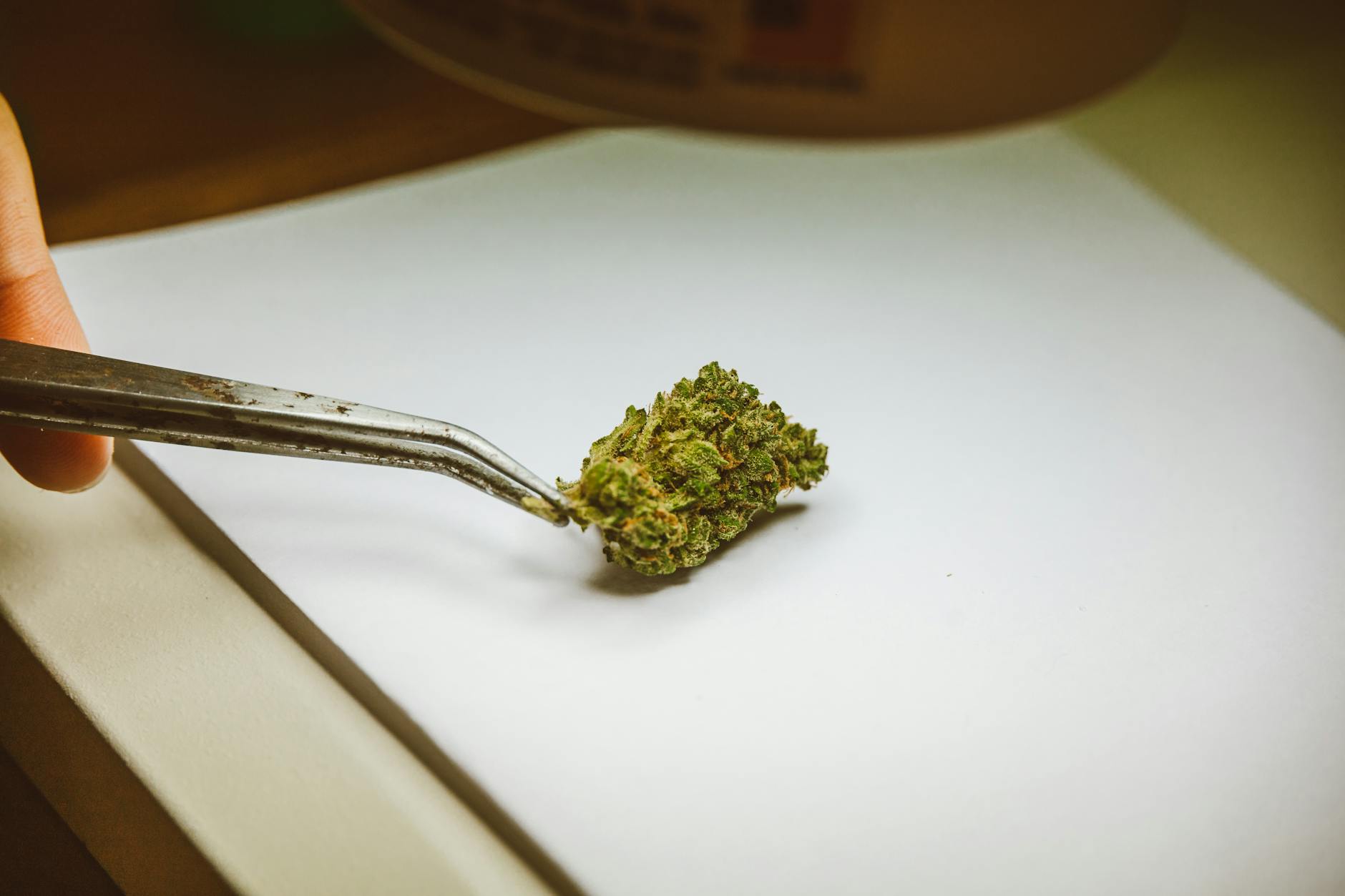
Currently, Virginia adults 21 and older can legally possess up to one ounce of marijuana and grow up to four plants at home. However, retail sales remain prohibited while state officials work through regulatory and taxation frameworks.
The General Assembly has repeatedly pushed back timelines for commercial sales, with some lawmakers citing concerns about impaired driving detection among other regulatory issues. The earliest possible date for retail sales now appears to be 2025, though no firm timeline has been established.
Virginia joins other states grappling with similar enforcement challenges as cannabis legalization expands nationwide. Colorado, Washington, and other early-adopting states continue refining their approaches to impaired driving detection years after implementing retail markets.
Key Facts
- No standardized THC breathalyzer test is currently approved for widespread law enforcement use in Virginia
- Virginia legalized cannabis possession in 2021 but has repeatedly delayed retail sales implementation
- State police rely on field sobriety tests and drug recognition expert evaluations to detect cannabis impairment
- THC detection challenges stem from the substance remaining detectable long after impairment effects end
- The Virginia Cannabis Control Authority continues developing regulations before allowing commercial sales