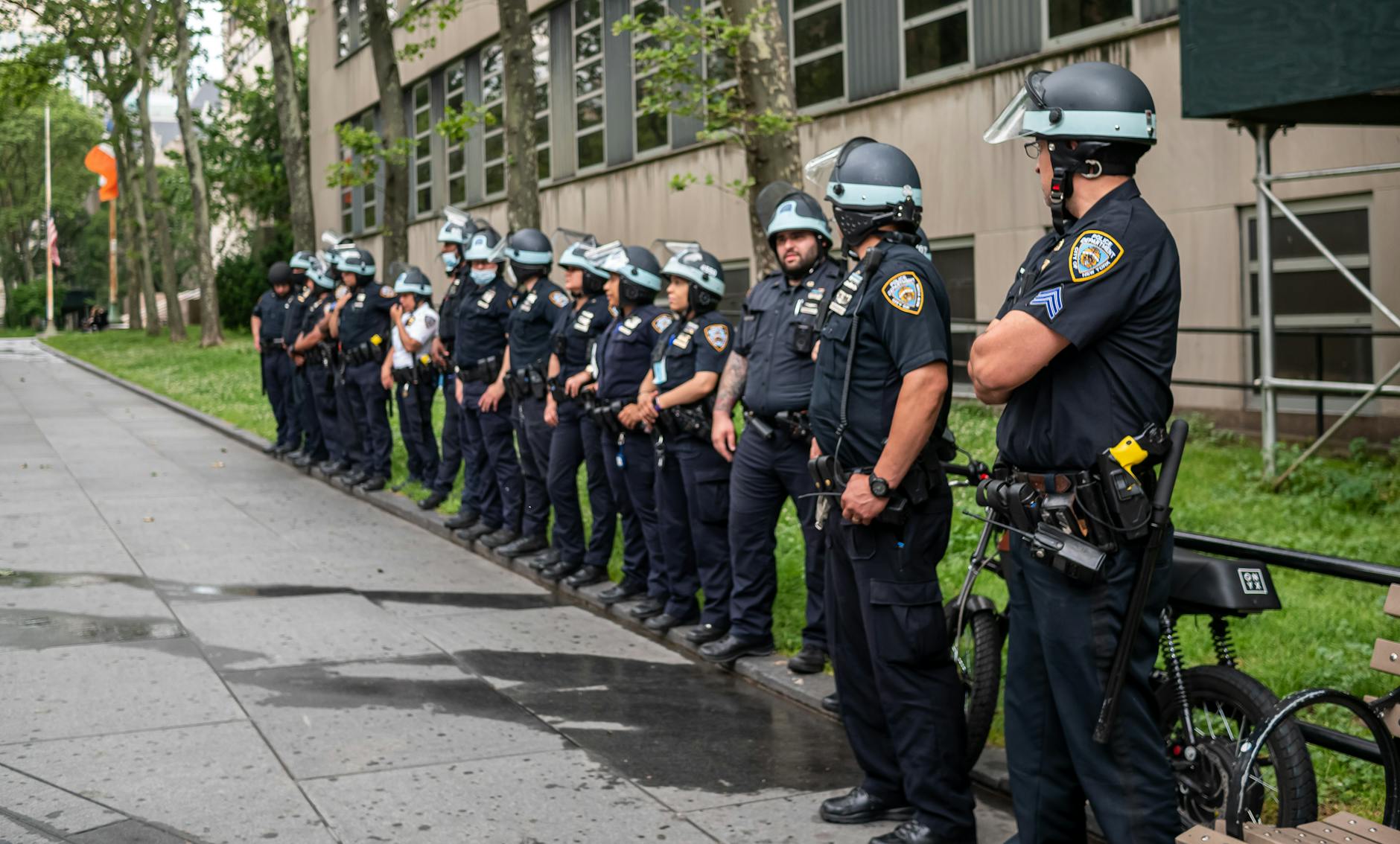
The Commonwealth’s 2021 redistricting commission could influence how other states approach congressional map drawing under potential federal legislation.
By Sarah Okafor | The Commonwealth Wire
Virginia’s redistricting process has emerged as a closely watched case study for federal lawmakers considering new approaches to congressional map drawing, according to political analysts and redistricting experts.
The Commonwealth established a bipartisan redistricting commission in 2021 following voter approval of a constitutional amendment in 2020. The 16-member commission, composed of eight citizens and eight legislators split evenly between parties, was tasked with drawing new congressional and legislative district maps after the 2020 census.
The commission ultimately deadlocked on congressional maps, sending the process to the Virginia Supreme Court, which selected maps drawn by court-appointed experts. This outcome has drawn scrutiny from both supporters and critics of redistricting reform nationwide.
“Virginia’s experience shows both the promise and the challenges of bipartisan redistricting commissions,” said Dr. Michael McDonald, a redistricting expert at the University of Florida who has studied Virginia’s process. “The fact that citizen members were involved brought more transparency, but the deadlock showed the difficulty of achieving consensus.”
The current congressional map includes seven districts spanning from Northern Virginia’s suburban Fairfax and Loudoun counties to rural Southwest Virginia. The 7th Congressional District, which includes parts of Richmond and surrounding Henrico County, has been particularly scrutinized for its competitiveness.
Federal legislation addressing gerrymandering, including proposals for national redistricting standards, has stalled in Congress. However, Virginia’s recent experience provides lawmakers with real-world data on alternative approaches to traditional legislative redistricting.
“States are looking at Virginia to see what works and what doesn’t,” said Rebecca Green, co-director of the election law program at William & Mary Law School in Williamsburg. “The commission structure created more public engagement than we typically see, but the ultimate outcome shows the complexity of the issue.”
The Virginia redistricting commission held public hearings across the state, from Virginia Beach to Bristol, collecting input from residents about their communities and priorities for district boundaries.
Virginia Attorney General Jason Miyares, a Republican, and Democratic lawmakers have offered different assessments of the commission’s effectiveness. Miyares has questioned whether the process achieved its intended goals, while Democrats have pointed to increased public participation as a success.
The maps drawn by the Virginia Supreme Court’s experts are expected to remain in place through the 2030 redistricting cycle. The next redistricting process will again use the bipartisan commission structure, unless the General Assembly modifies the constitutional amendment.
Political observers note that Virginia’s experience may influence redistricting reform efforts in other swing states, including North Carolina, Pennsylvania and Wisconsin, where similar debates over map-drawing processes continue.
The Commonwealth’s approach represents one of several models states have adopted to address gerrymandering concerns, ranging from independent commissions to court oversight of traditional legislative processes.
Key Facts
- Virginia established a 16-member bipartisan redistricting commission in 2021 following voter approval of a constitutional amendment
- The commission deadlocked on congressional maps, leading the Virginia Supreme Court to select maps drawn by court-appointed experts
- Federal lawmakers are studying Virginia’s redistricting experience as they consider national gerrymandering reform legislation
- The current process included public hearings from Virginia Beach to Bristol to gather community input on district boundaries